Foundation Crack Repair in Thorold
Foundation crack injection and wet basement repair for homeowners in Thorold. Free assessments, fully insured.
Thorold is where the Welland Canal climbs the Escarpment. The flight locks lift ships nearly the height of the falls in the space of a few kilometres, and the ground on either side of that corridor, from the canal villages of Allanburg and Port Robinson in the south to the city proper on the brow, carries the water that comes with it. Above the brow, the old core of Thorold sits on shallow clay over the same dolostone that forms the Escarpment. Below it, the newer subdivisions spread onto the clay plain. Between them, Lake Gibson and Lake Moodie hold reservoir water that seeps into the surrounding ground and drains out through Twelve Mile Creek.
That is a lot of water for a small city. We repair the foundation cracks and wet basements it causes from inside, without excavation, across every part of Thorold. Here is what each area tends to need.
Basement problems by neighbourhood
Downtown and the old core
The streets around Front Street, Pine Street and Richmond Street have Thorold’s oldest housing, century homes on stone and brick with cellars that were never meant to be finished, surrounded by interwar and wartime houses on block. Up here on the brow, soil is shallow over bedrock, so the thin clay layer stays wet because water cannot drain down. The problems are age and geology together: washed-out mortar, old service penetrations, block weeping through its cores. Injection is rarely the tool. Wet basement repair here begins with finding the actual entry point and usually ends with interior drainage and membrane.
Confederation Heights and Beaverdams
Confederation Heights is a postwar residential neighbourhood near the shores of Lake Gibson, with tree-lined streets of bungalows, splits and two-storeys from the 1950s through 1970s. Beaverdams, the old settlement whose creek valley was flooded to create the reservoir, sits alongside it. The reservoirs keep the surrounding water table up, so homes backing toward the lakes can see sustained spring groundwater at the footing. Earlier streets are block, later ones poured. Poured walls with shrinkage cracks respond to crack injection; anything showing water at the cove needs a basement waterproofing conversation about drainage and the sump.
Rolling Meadows and the newer subdivisions
Rolling Meadows and the developments filling in around it are Thorold’s newer family neighbourhoods, built on poured concrete with modern dampproofing and plastic weeping tile. They leak less, but concrete still shrinks as it cures, and a hairline crack from a basement window corner that starts leaking in its second or third March is one of our most routine calls in this part of the city. Injection handles it permanently.
Thorold South, Allanburg and Port Robinson
South of the Escarpment, the canal villages sit on the flat clay plain with the shipping channel beside them. Port Robinson is split in two by the canal. Allanburg, Thorold’s largest neighbourhood, wraps around the canal crossing. Thorold South carries a mix of older village housing and later infill. Along the canal corridor, groundwater is elevated and moves with the season, and the housing is a mix of older block and later poured. Stair-step and horizontal cracks in the block walls need a careful read, which is what our foundation crack repair assessment provides before anyone reaches for a fix.
The Brock district and student rentals
Thorold’s border with St. Catharines runs close to Brock University, and a large stock of houses in the city are rentals with finished lower units. Those units are often built over cracks that were never repaired. We work with owners and managers, cut the smallest drywall opening that gives access, and inject from inside with tenants in place.
Our services in Thorold
- Crack injection for the poured walls of Rolling Meadows, later Confederation Heights streets and every subdivision built since the 1960s: cracks, tie rod holes and pipe penetrations sealed from inside.
- Foundation crack repair for the stair-step and horizontal cracks in block walls along the canal villages and the older postwar streets.
- Wet basement repair for the century cellars downtown where the source has never been properly traced.
- Basement waterproofing for canal-corridor and reservoir-adjacent homes where the water comes from below, and for any Thorold basement about to be finished.
Foundations by era in Thorold
- Pre-1920 (downtown Front and Pine Street area, Port Robinson, Allanburg village cores): stone and brick. Drainage and membrane, not injection.
- 1920s to late 1950s (the older grid around downtown, early Confederation Heights, canal village infill): concrete block. Weeps through cores, cracks horizontally under clay pressure.
- 1960s to 1980s (later Confederation Heights, Thorold South expansion): poured concrete becomes standard. Shrinkage cracks and snap-tie holes. Injection territory.
- 1990s to today (Rolling Meadows and the newer subdivisions): modern poured walls. Fewer problems, but shrinkage cracks still form and still leak.
Weather and ground in Thorold
Thorold sits on the brow of the Escarpment, which puts the older city on shallow clay over dolostone and the newer areas on the clay plain to the south. Like the rest of Niagara, its winters cross zero repeatedly rather than staying deep below, so water in the clay and in every crack freezes and thaws many times a season. The March thaw is the peak: meltwater on frozen ground has nowhere to go but sideways into the backfill beside the foundation, and on the Escarpment slope it also has somewhere to go downhill, which loads the uphill wall of every house on a grade.
The canal, the reservoirs and Twelve Mile Creek add a second source of water that does not depend on the weather: groundwater held up by managed water levels, sustained for weeks in spring.
Things specific to Thorold that affect foundations
- The Escarpment brow. Shallow soil over rock in the old core, and slopes that move water downhill through the clay toward the uphill wall of every house on a grade.
- The Welland Canal and the flight locks. Elevated, fluctuating groundwater along the canal corridor from Port Robinson to the brow.
- Lake Gibson and Lake Moodie. Hydro reservoirs fed by the canal that hold the water table up around Confederation Heights and Beaverdams.
- Twelve Mile Creek. The reservoirs’ outflow, with a valley that keeps adjacent ground wet.
- A canal-town housing stock with stone and brick under the century homes and block under the wartime and 1950s streets.
- Student rentals near Brock with finished lower units over unrepaired cracks.
- Clay everywhere below the brow: slow-draining, swelling wet and shrinking dry.
Areas we cover around Thorold
We serve all of Thorold, from the canal villages in the south to the brow, and the neighbouring communities of St. Catharines immediately to the north, Niagara Falls to the east, and Welland down Highway 58 to the south. Pelham and Fonthill are on the schedule too; call and ask.
Book a free inspection in Thorold
If a Rolling Meadows window crack stains every March, a Confederation Heights cove joint seeps each spring, or a downtown stone cellar has a damp corner nobody has ever explained, have it read by someone who knows what Thorold ground does. The inspection is free, it covers every wall and the drainage, and you leave with a plain explanation and a written price. Call (289) 271-5869 or book a free inspection online. Active leaks go to the front of the schedule.
Our Foundation Repair Services in Thorold
We repair leaking foundation cracks and wet basements for homes and businesses in Thorold and surrounding areas.
Crack Injection
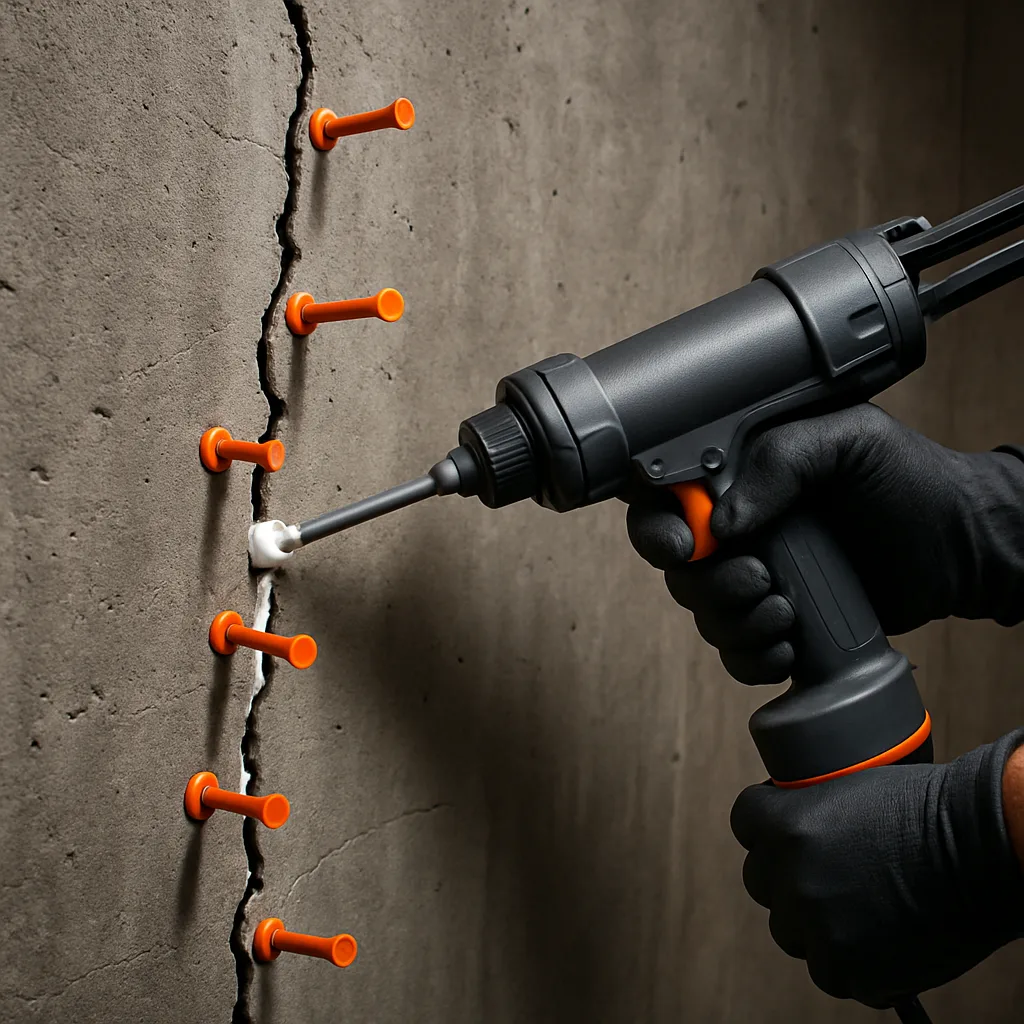
Epoxy and polyurethane injection that seals foundation cracks from the inside, permanently.
Crack Injection Services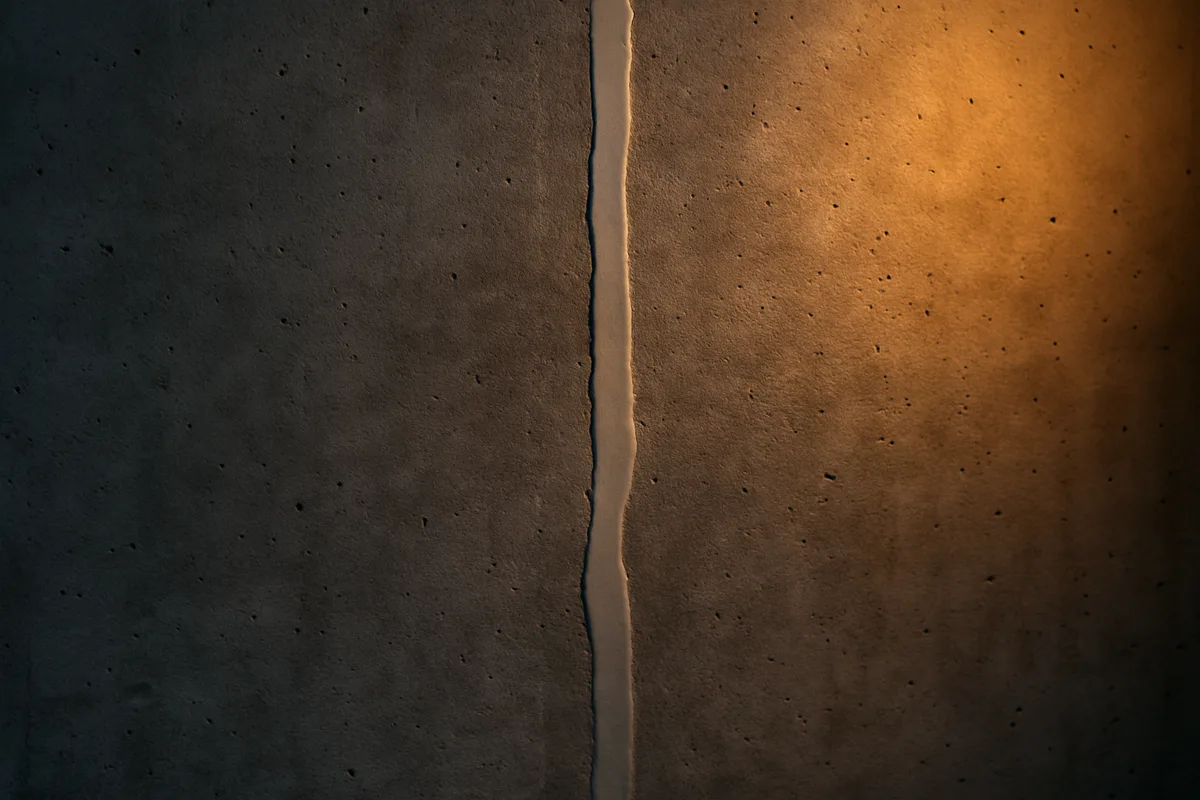
Foundation Crack Repair
Assessment and repair of vertical, diagonal and stair-step foundation cracks in poured and block walls.
Foundation Crack Repair Services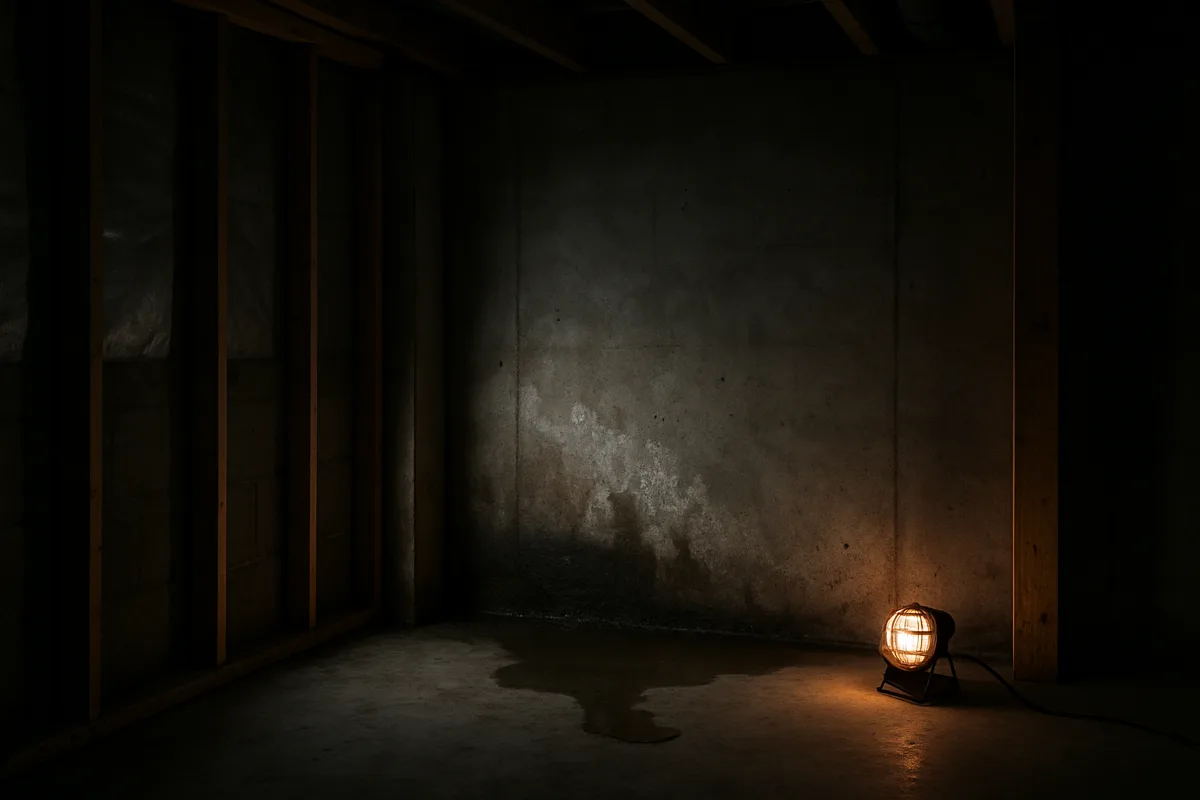
Wet Basement Repair
Find and fix the source of basement water, from leaking cracks to failed tie rods and pipe penetrations.
Wet Basement Repair Services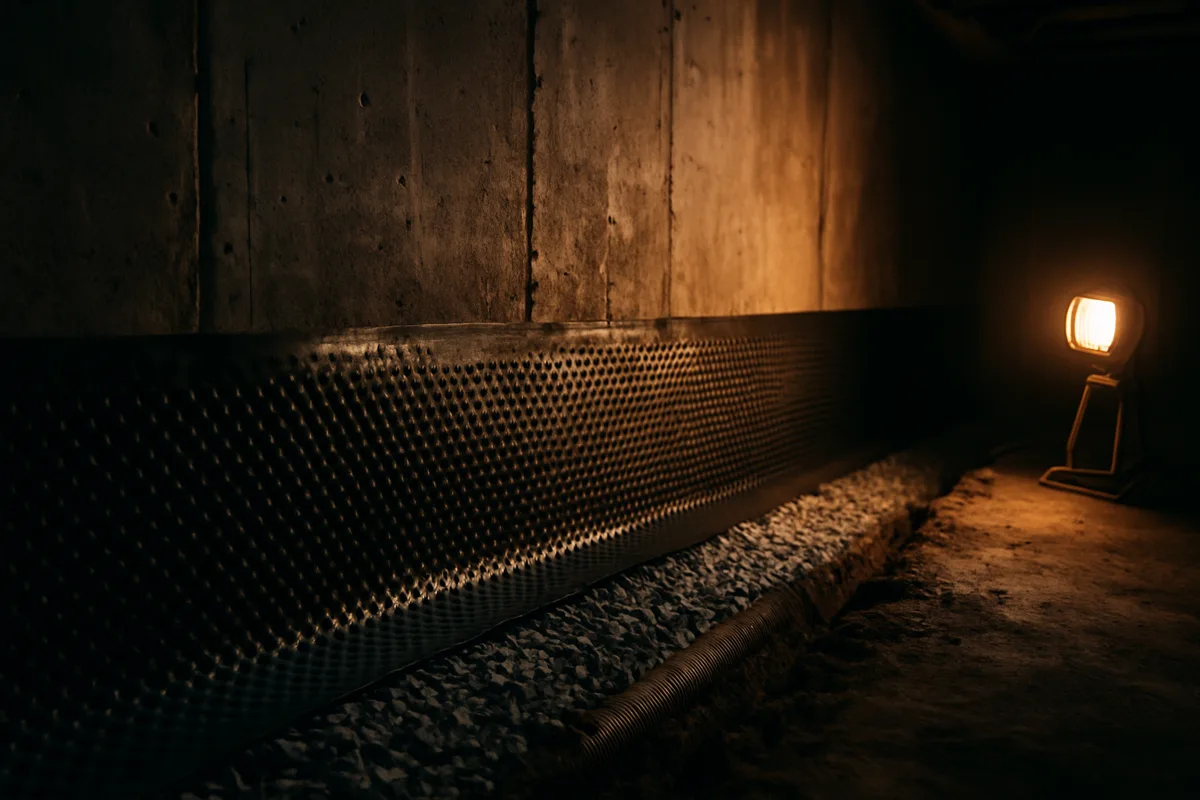
Basement Waterproofing
Interior waterproofing solutions that keep Niagara basements dry through spring thaw and heavy rain.
Basement Waterproofing ServicesHow It Works
Free Crack Inspection
We inspect the crack from inside the basement, check for signs of movement or structural concern, and confirm whether injection is the right repair before anything is booked.
Crack Preparation
The crack is cleaned along its full length, surface ports are set at regular intervals, and the face of the crack is sealed with epoxy paste so the injection material stays inside the wall.
Injection
Epoxy or polyurethane is injected port by port from the bottom up until the crack is filled through the full thickness of the wall, not just at the surface.
Verification & Warranty
We confirm the crack is filled end to end, remove the ports, and walk you through the finished repair. Your injection is backed by a written warranty against leaking.
Foundation Repair FAQ for Thorold
Does the Welland Canal affect foundations in Thorold?
Yes, in the streets that flank it. The canal climbs the Escarpment through Thorold at the flight locks, and the ground along its corridor, from Allanburg and Port Robinson up through the city, carries elevated and fluctuating groundwater. Homes near the canal tend to show water at the wall-floor joint rather than a single crack, which points to drainage.
Why does the Escarpment matter for my basement?
Thorold sits on the brow of the Niagara Escarpment, and water moves downhill through the clay toward it. Homes on the lower side of a sloping street take on more water at the uphill wall, and homes in the older core have shallower soil over rock, so the thin clay layer stays wet because it cannot drain down.
What foundation type do older Thorold homes have?
The downtown streets around Front, Pine and Richmond have century homes on stone and brick, with wartime and 1950s block houses around them. Confederation Heights and the postwar subdivisions are a mix of block and early poured concrete, and Rolling Meadows and the newer developments are modern poured walls. We confirm which you have on the first visit.
Are Lake Gibson and Lake Moodie a factor?
They are hydroelectric reservoirs fed by the canal and drained through Twelve Mile Creek, and they hold the water table up in the surrounding ground. Homes near Confederation Heights and Beaverdams that back onto that system can see sustained spring groundwater at the footing.
How much does crack injection cost in Thorold?
A single injected crack in a poured wall typically falls in the broad Ontario range of roughly $400 to $900 depending on length, wall thickness, access and whether it is leaking. We give a firm written price after a free inspection.
Do you work on student rentals near Brock?
Yes. Thorold's proximity to Brock University means a large stock of rental homes with finished lower units, often over cracks that were never repaired. We work with owners and property managers, cut the smallest drywall opening needed, and schedule around tenants.