Foundation Crack Repair in St. Catharines
Foundation crack injection and wet basement repair for homeowners in St. Catharines. Free assessments, fully insured.
St. Catharines is a city that was built in layers, and the basements show it. There are stone foundations under the century homes off Queenston Street and in the old core of Port Dalhousie, block walls under the wartime and 1950s bungalows that filled in Grantham and the north end after amalgamation, poured concrete under the splits and two-storeys that spread across Western Hill and out toward Louth from the 1960s on, and modern poured walls under the newer subdivisions in the north end. Under all of it is the same slow-draining lake-bed clay, and above all of it is a winter that thaws and refreezes a dozen times before spring.
We repair foundation cracks and wet basements across the whole city, from the lakeshore to the Escarpment brow, with interior repairs that need no excavation. This page covers what we see in each part of St. Catharines and which repair fits it.
Basement problems by neighbourhood
Port Dalhousie and the lakeshore
Port Dalhousie combines an old harbour village core with 1950s to 1980s postwar bungalows, sidesplits and two-storeys running east along the lake. Ground here is close to Lake Ontario’s level, and the water table can sit near the footings for weeks in spring. The common call is water at the wall-floor joint rather than a single dramatic crack, which points to groundwater rising above the slab. That is a basement waterproofing problem: drainage and a working sump, not just a sealed wall. Where a poured wall does have a crack, injection handles it, but we always check the cove first.
The north end and Grantham
The streets between Lakeshore Road, Scott Street and the QEW were largely built out in the postwar expansion, when the city annexed land repeatedly through the 1950s. These are solid, straightforward bungalows and backsplits, many with block foundations and the earliest ones with original clay weeping tile that is now sixty or seventy years old. The block walls weep through their cores and show a haze of efflorescence across a panel; the poured walls of the later 1960s builds show classic shrinkage cracks at window corners. Two different fixes on the same street, which is why we look before we quote.
Downtown, Queenston Street and the older core
Century homes along the Queenston corridor, around Montebello Park and through the older residential streets flanking downtown have stone, brick and early block foundations with cellars that were never meant to be living space. The water problems here are age problems: mortar washed out of stone, brick that has spalled at grade, penetrations for services that were sealed half a century ago. Injection is not the tool for a rubble wall. Wet basement repair here starts with a careful diagnosis and usually ends with interior drainage and membrane.
Merritton and the canal corridor
Merritton grew up as a canal town, and the old Welland Canal alignments still shape its streets. Housing is a mix of small century homes and wartime and postwar bungalows, and the ground is influenced by canal-related groundwater. We see block foundations with horizontal cracking from lateral clay pressure here more than elsewhere in the city, and stair-step cracking that needs a proper read before anyone reaches for a repair. See foundation crack repair for how we classify what we find.
Glenridge and the Brock district
Old Glenridge climbs toward the Escarpment with bungalows, splits and two-storeys from the 1950s through 1970s, and the newer Glenridge streets up toward Brock University are later poured-concrete builds. The slope matters: water moves downhill through the clay, and homes on the lower side of a street take more of it. This is also the city’s student-rental belt, where basements have been finished into units over cracks nobody ever fixed. Injection from inside, with a small drywall opening, is the practical repair for an occupied lower unit.
Western Hill
Bounded roughly by Twelve Mile Creek, Highway 406 and First Street Louth, Western Hill is mostly 1960s and later poured-concrete housing on the plateau above the creek valley. Shrinkage cracks at window corners and beam pockets are the standard call, and they respond well to crack injection. Properties nearer the creek edge have the added factor of a valley slope that keeps the downhill wall wetter.
Our services in St. Catharines
- Crack injection for the shrinkage cracks, tie rod holes and pipe penetrations in the poured walls of Western Hill, Glenridge, the north end and every subdivision built since the 1960s.
- Foundation crack repair for the honest read on whether a crack in a Merritton block wall or a Grantham bungalow is cosmetic or structural, and the right repair either way.
- Wet basement repair for the century cellars downtown and the recurring spring leaks that have never been traced to a source.
- Basement waterproofing for the lakeshore and Port Dalhousie homes where water comes through the cove and the slab, and for any St. Catharines basement about to be finished.
Foundations by era in St. Catharines
- Pre-1920 (downtown, Port Dalhousie village, old Merritton): stone and brick. Cannot be injected. Drainage, membrane, and repointing where needed.
- 1940s to late 1950s (Grantham, the north end, Merritton infill): heavily concrete block, some early poured. Block weeps through its cores and cracks horizontally under clay pressure.
- 1960s to 1980s (Western Hill, Glenridge, Lakeshore, the eastern north end): poured concrete becomes standard. Shrinkage cracks, snap-tie holes and window-corner cracks are the pattern. Injection territory.
- 1990s to today (newer north-end and Louth-side subdivisions): poured walls with modern dampproofing and plastic weeping tile. Fewer leaks, but shrinkage cracks still form and still leak when they do.
Weather and ground in St. Catharines
St. Catharines sits below the Escarpment on the Lake Ontario plain, on lacustrine clay left by a much larger glacial lake. That clay holds water. Lake Ontario moderates the winter so that temperatures cross zero repeatedly rather than staying deep below it, which means the water in the clay and in every crack freezes and thaws over and over. The March thaw usually arrives with the ground still frozen a foot down, so meltwater goes sideways into the backfill trench beside the foundation instead of down.
Summer brings intense thunderstorms off the lake that can drop a lot of rain in an hour, overwhelming window wells, undersized downspouts and any grading that has settled toward the house. Late fall rain on already-saturated clay is the other peak leak season.
Things specific to St. Catharines that affect foundations
- Lake-bed clay under the whole city. Slow-draining, swells wet and shrinks dry, and pushes on walls every spring.
- Lake Ontario’s water table. Port Dalhousie, the lakeshore and the north end can have groundwater at footing level for weeks.
- The Escarpment slope. Glenridge, Brock and the south-end streets see water moving downhill through the clay, loading the uphill wall.
- Canal-influenced ground in Merritton and the east side. Elevated and fluctuating groundwater along the old and current Welland Canal corridors.
- Twelve Mile Creek’s valley. Slopes above the creek through Western Hill and toward Port Dalhousie keep downhill walls wetter.
- Amalgamation-era housing. Merritton, Port Dalhousie and Grantham Township joined the city in 1961, and the postwar streets built around then are a patchwork of block and early poured walls with original tile.
- Student rentals. A large stock of finished lower units in the Brock district built over basements that were never properly waterproofed.
- Weeping tile still on the sanitary sewer in many older homes, which is why storm-time sewer backup is a recurring St. Catharines complaint.
Areas we cover around St. Catharines
We work across the city and the neighbouring communities of Thorold up the Escarpment to the south, Niagara Falls to the southeast along the QEW, and Welland down Highway 406. If you are in Niagara-on-the-Lake, Lincoln or the rural townships between, call and we will let you know the schedule.
Book a free inspection in St. Catharines
Whether it is a hairline crack in a Western Hill split-level, water at the cove in a Port Dalhousie bungalow, or a damp stone cellar downtown, the right first step is the same: have the wall read by someone who knows what St. Catharines ground does. The inspection is free, and you leave with a plain explanation and a written price. Call (289) 271-5869 or book a free inspection online, and if your basement is taking on water right now, say so and we will get there sooner.
Our Foundation Repair Services in St. Catharines
We repair leaking foundation cracks and wet basements for homes and businesses in St. Catharines and surrounding areas.
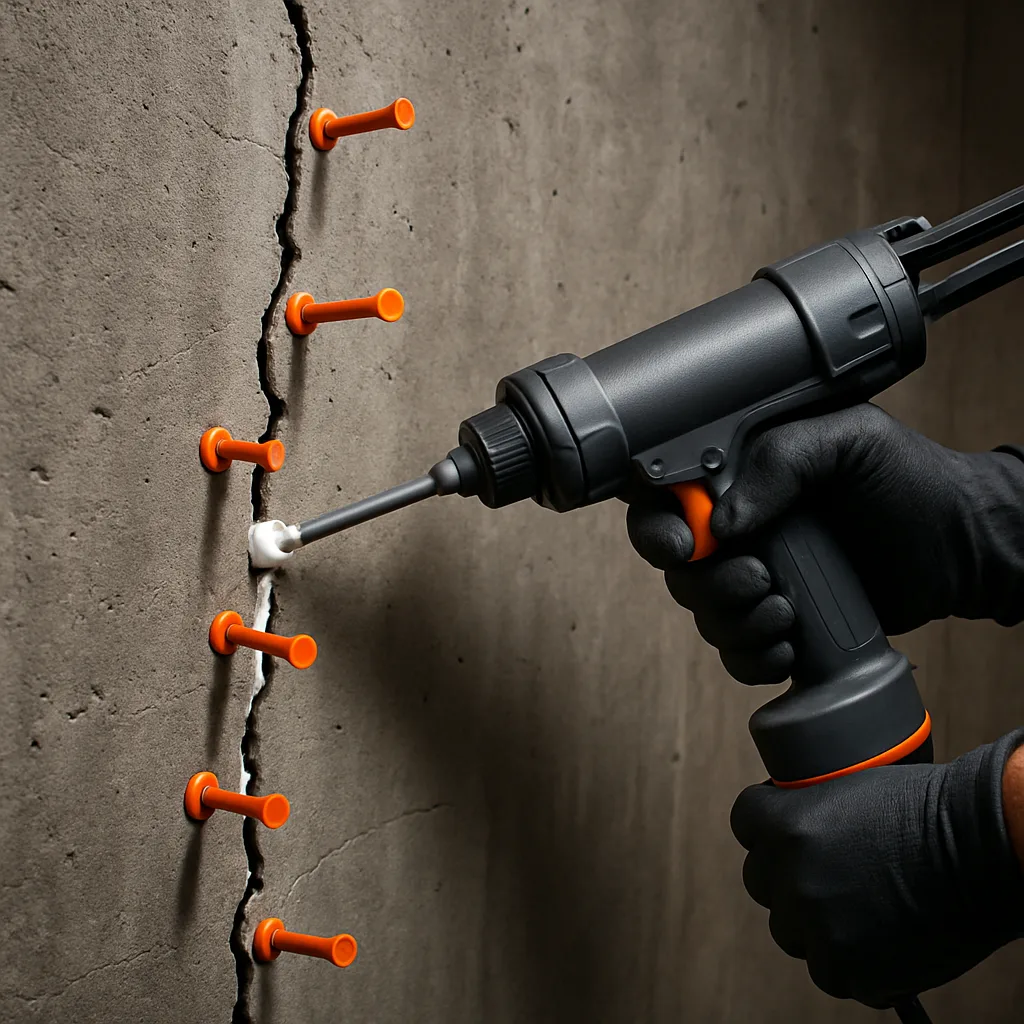
Crack Injection
Epoxy and polyurethane injection that seals foundation cracks from the inside, permanently.
Crack Injection Services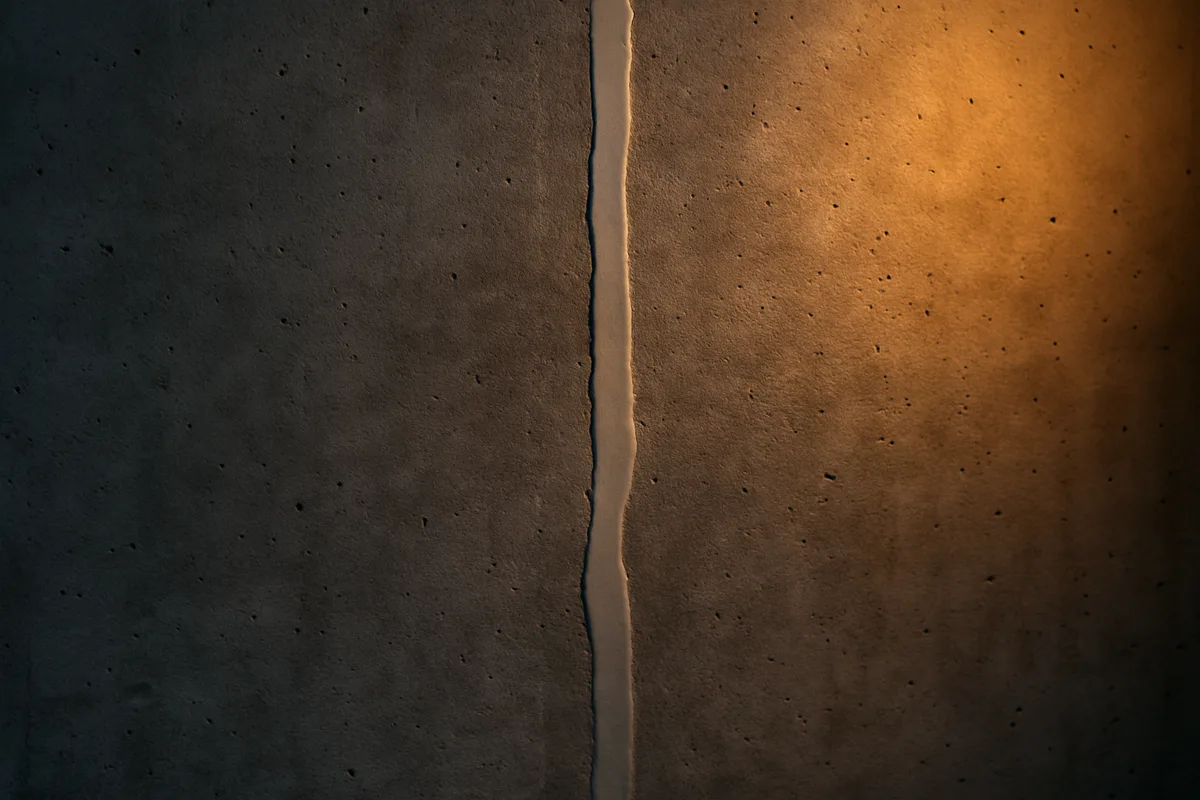
Foundation Crack Repair
Assessment and repair of vertical, diagonal and stair-step foundation cracks in poured and block walls.
Foundation Crack Repair Services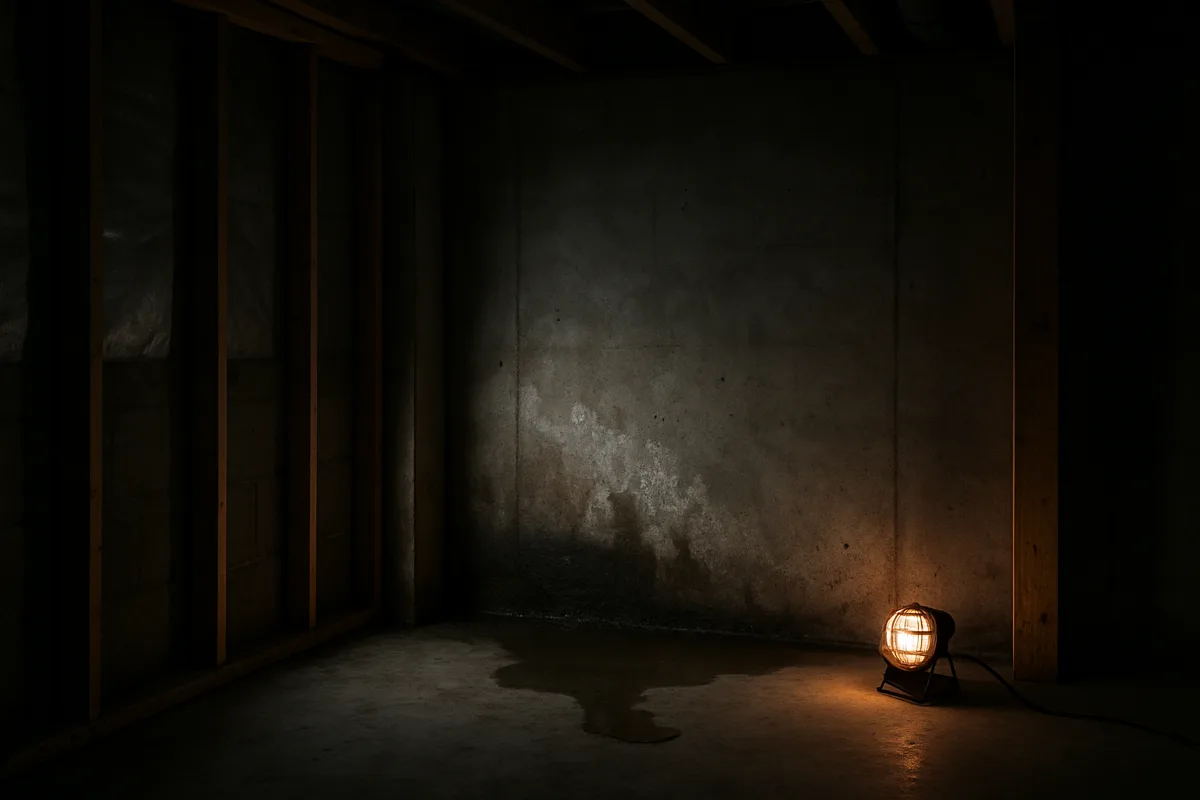
Wet Basement Repair
Find and fix the source of basement water, from leaking cracks to failed tie rods and pipe penetrations.
Wet Basement Repair Services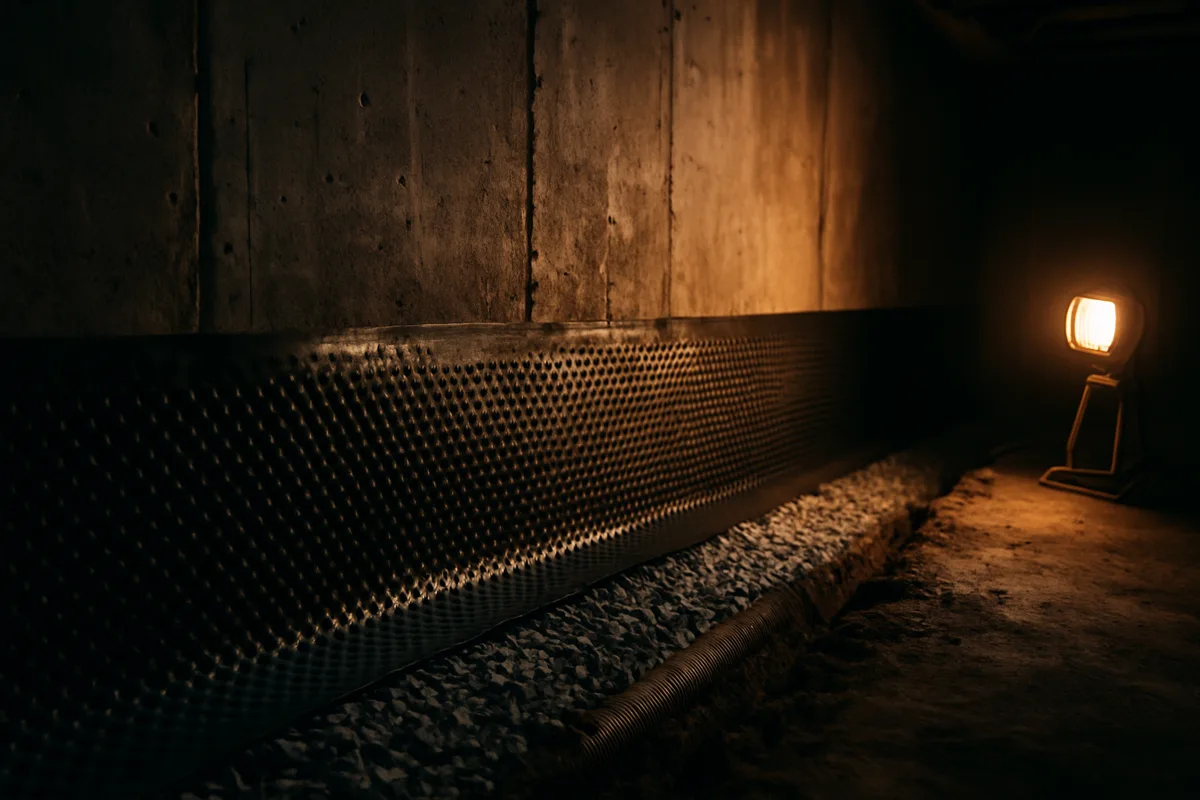
Basement Waterproofing
Interior waterproofing solutions that keep Niagara basements dry through spring thaw and heavy rain.
Basement Waterproofing ServicesHow It Works
Free Crack Inspection
We inspect the crack from inside the basement, check for signs of movement or structural concern, and confirm whether injection is the right repair before anything is booked.
Crack Preparation
The crack is cleaned along its full length, surface ports are set at regular intervals, and the face of the crack is sealed with epoxy paste so the injection material stays inside the wall.
Injection
Epoxy or polyurethane is injected port by port from the bottom up until the crack is filled through the full thickness of the wall, not just at the surface.
Verification & Warranty
We confirm the crack is filled end to end, remove the ports, and walk you through the finished repair. Your injection is backed by a written warranty against leaking.
Foundation Repair FAQ for St. Catharines
Why do so many St. Catharines basements leak in spring?
The city sits on lake-bed clay that drains slowly, and Niagara winters cycle around freezing rather than staying cold. When the March thaw arrives the top layer of clay is still frozen, meltwater cannot soak away, and it collects in the backfill against the foundation. Any crack in the wall becomes the path of least resistance.
Does living near Lake Ontario affect my foundation?
Yes. Neighbourhoods in the north end, Port Dalhousie and along the lakeshore have a water table that can sit close to the footing for weeks in spring. Cracks there are under sustained pressure rather than storm pressure, and water at the wall-floor joint usually means drainage is needed, not just sealing.
What kind of foundation does my St. Catharines house likely have?
Century homes downtown and in the old Merritton and Port Dalhousie cores are often stone or brick. Postwar bungalows in the north end and Grantham are a mix of block and early poured concrete. From the 1960s on, poured concrete is standard and those are the walls crack injection is made for. We confirm which you have on the first visit.
How much does crack injection cost in St. Catharines?
A single injected crack in a poured wall typically falls in the same broad range as the rest of Ontario, roughly $400 to $900 depending on length, wall thickness, access and whether it is leaking. We provide a firm written price after a free inspection and never quote blind over the phone.
Is the Welland Canal a factor for homes in Merritton or the east end?
It can be. Streets near the current canal and the old canal alignments through Merritton have elevated and fluctuating groundwater, and the older housing there has a high share of block and stone foundations. We assess those homes with drainage in mind, not just crack sealing.
Do you repair basements in student rentals near Brock?
Yes. Homes in the Glenridge and Brock district that have been rentals for years often have deferred basement maintenance and finished lower units over unresolved leaks. We work with owners and property managers on injection and waterproofing between tenancies or with tenant access.