Foundation Crack Repair in Fort Erie
Foundation crack injection and wet basement repair for homeowners in Fort Erie. Free assessments, fully insured.
Fort Erie is a town of edges. Lake Erie runs along its south side, the Niagara River along its east, and the limestone ridge of the Onondaga Escarpment cuts across the middle from Ridgeway toward the river. That geography decides what happens under a house. Crystal Beach and the lakeshore sit on sand over clay with a water table that moves with the lake. Bridgeburg, the old town by the Peace Bridge, has some of the oldest foundations in Niagara on ground that drains toward the river. Ridgeway straddles the ridge, with shallow soil over rock on top and wet clay at the base. Stevensville sits inland on the clay plain like the rest of the peninsula.
We repair foundation cracks and wet basements across all of it, from inside, without excavation. Fort Erie has more variety in foundation types than almost anywhere else we work, so the first visit is always about reading the house before recommending anything.
Basement problems by neighbourhood
Crystal Beach
A lakeside community that grew up as a summer resort and has steadily converted to year-round living. Many homes started as cottages on shallow foundations, block walls or crawl spaces, and were later expanded, finished or rebuilt on the original footprint. The ground is sandy beach deposit over lacustrine clay, and the water table is close to the surface and tied to the lake. The typical problem is not a single crack but water arriving from below and around: seepage at the wall-floor joint, a damp crawl space, a sump that runs for weeks in spring. That is a basement waterproofing job, built around interior drainage and a reliable sump. Where a poured wall does have a crack, we inject it in the same visit.
Ridgeway
Ridgeway takes its name from the limestone ridge that runs through it, and that ridge splits the town’s foundations into two groups. Homes on the ridge have shallow soil over rock, which sheds water quickly downhill but leaves the foundation sitting in a thin, wet clay layer that cannot drain down. Homes at the base of the ridge receive everything the ridge sheds. The village core has older stone and block foundations; the streets around it range from postwar bungalows to current builds on poured concrete. Shrinkage cracks in the poured walls respond to crack injection, and the older cores need a drainage-based approach.
Bridgeburg and the old town
The historic centre of Fort Erie near the Peace Bridge and the Niagara River has heritage housing going back to the border-town era, with stone, brick and early block foundations. Ground here drains toward the river, and the water table fluctuates with it. The problems are age problems: mortar washed out at grade, service penetrations sealed generations ago, and block walls that weep through their cores. Injection is rarely the tool. Wet basement repair here starts with a careful diagnosis and usually ends in interior drainage and membrane.
Crescent Park and the central subdivisions
Between the old town and the lakeshore, Crescent Park and the neighbouring streets carry Fort Erie’s postwar and 1960s to 1980s housing: bungalows, backsplits and sidesplits, a mix of block in the earlier streets and poured concrete after. This is where we see the standard Niagara pattern of a shrinkage crack at a window corner leaking each March, and where injection is the routine repair.
Stevensville
Inland, around the crossroads of Stevensville Road and Main Street, Stevensville is a village core with older homes surrounded by newer subdivisions and rural lots. The ground is the same clay plain as Welland and the rest of the peninsula, without the lake’s water table but with all of the clay’s habit of holding water against the wall. Poured walls in the newer streets get injected; the village core gets assessed on its own terms. Rural lots on the concessions add the question of how the whole property drains.
Our services in Fort Erie
- Crack injection for the poured walls of Crescent Park, newer Ridgeway and Stevensville streets and any home built since the 1960s: cracks, tie rod holes and pipe penetrations sealed from inside.
- Foundation crack repair for an honest read on cracks in the block and stone walls of Bridgeburg, old Ridgeway and converted cottages.
- Wet basement repair for the recurring leak in an older Fort Erie home that has never been traced to its source.
- Basement waterproofing for Crystal Beach and shoreline homes where the water comes from below, and for any Fort Erie basement or crawl space about to be finished.
Foundations by era in Fort Erie
- Pre-1920 (Bridgeburg, old Ridgeway, Stevensville core): stone and brick. Drainage and membrane, not injection.
- 1920s to 1960s (Crystal Beach cottages, Crescent Park, village infill): concrete block, shallow cottage foundations and crawl spaces. Weeps through cores; often needs drainage before anything else.
- 1960s to 1980s (central subdivisions, Ridgeway and Stevensville expansion): poured concrete becomes standard. Shrinkage cracks and snap-tie holes. Injection territory.
- 1990s to today (newer Ridgeway, Stevensville and lakeshore rebuilds): modern poured walls. Fewer problems, but shrinkage cracks still form and still leak.
Weather and ground in Fort Erie
Fort Erie is Lake Erie’s town. The lake is the shallowest of the Great Lakes, which means it warms fast in summer, usually freezes in winter, and its level and shoreline groundwater respond quickly to wind and season. Lake winds drive rain and snow against the south-facing side of the town, and sudden storms off the water are a regular summer feature. Frost penetration is around a metre in a typical winter, and like the rest of Niagara the temperature crosses zero repeatedly, so water in the clay and in every crack freezes and thaws over and over.
The March thaw is the peak leak season, meltwater on frozen clay moving sideways into the backfill. On the shoreline, the second factor is the lake itself: a spring of high water means weeks of sustained pressure on the slab and the cove, not just storm-time pressure on the wall.
Things specific to Fort Erie that affect foundations
- Lake Erie’s water table. Shoreline groundwater that rises and falls with the lake, sustained for weeks in spring.
- Sand over clay at Crystal Beach. Water moves easily through the sand and then stops at the clay, right at footing level.
- The Onondaga Escarpment ridge. Shallow soil over limestone on top, wet clay at the base, and water moving downhill between them through Ridgeway.
- Cottage conversions. Seasonal buildings turned year-round on foundations that were never designed for a finished basement.
- Border-town heritage housing in Bridgeburg with stone and brick foundations older than most of the region.
- The Niagara River corridor. Ground along the river drains toward it and the water table moves with it.
- Clay bluffs on the shore that are slowly eroding, and a shoreline where drainage patterns change over decades.
- Rural lots on well and septic where the whole property’s drainage, not just the house, decides whether the basement stays dry.
Areas we cover around Fort Erie
We serve the whole town, from Crystal Beach and Ridgeway on the lake to Bridgeburg on the river and Stevensville inland, plus the neighbouring communities of Niagara Falls up the Niagara Parkway and QEW to the north and Welland to the northwest. Port Colborne is on the schedule too; call and ask.
Book a free inspection in Fort Erie
Whether it is a Crystal Beach crawl space that never dries, a Bridgeburg stone cellar with a damp corner, or a Crescent Park window crack that stains every March, the right first step is a proper read of the house and the ground it sits on. The inspection is free, and you leave with a plain explanation and a written price for the least invasive repair that will hold. Call (289) 271-5869 or book a free inspection online. If the basement is taking on water now, say so and we will move it up.
Our Foundation Repair Services in Fort Erie
We repair leaking foundation cracks and wet basements for homes and businesses in Fort Erie and surrounding areas.
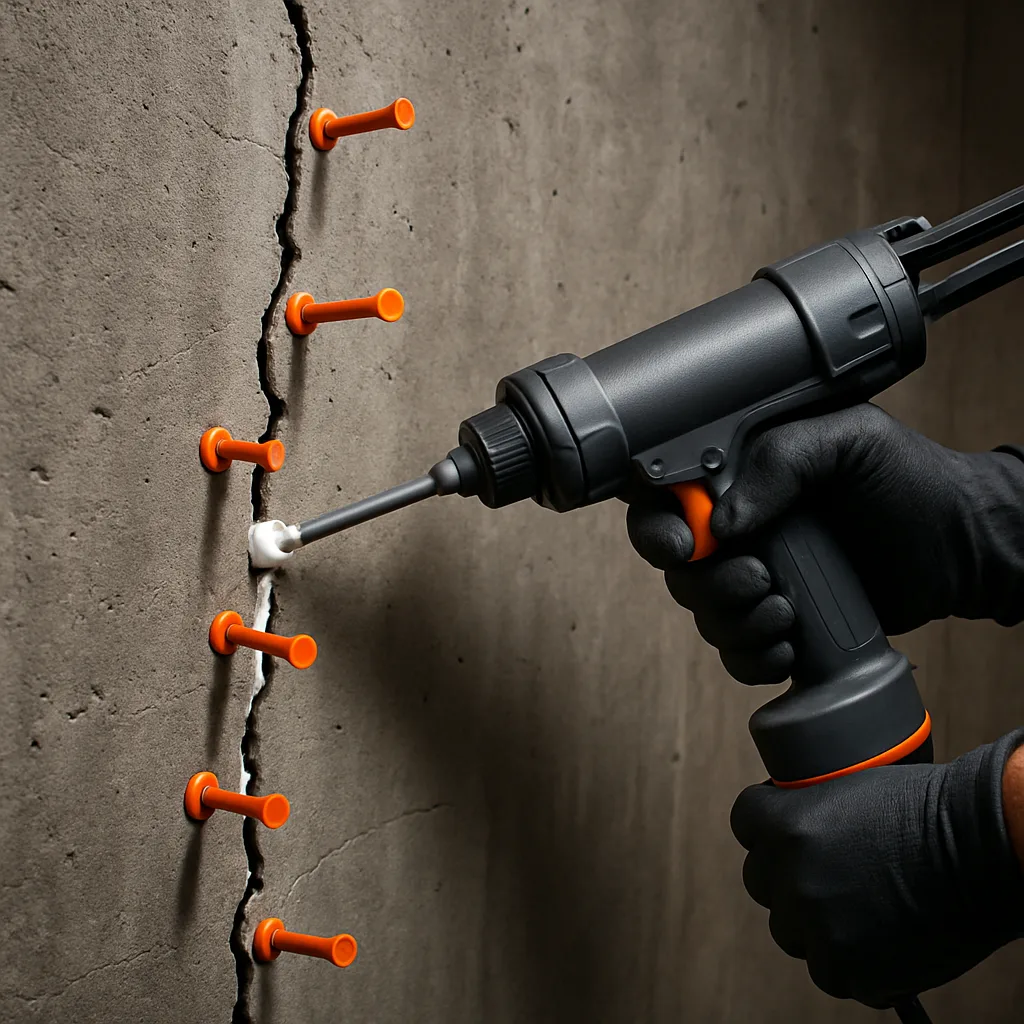
Crack Injection
Epoxy and polyurethane injection that seals foundation cracks from the inside, permanently.
Crack Injection Services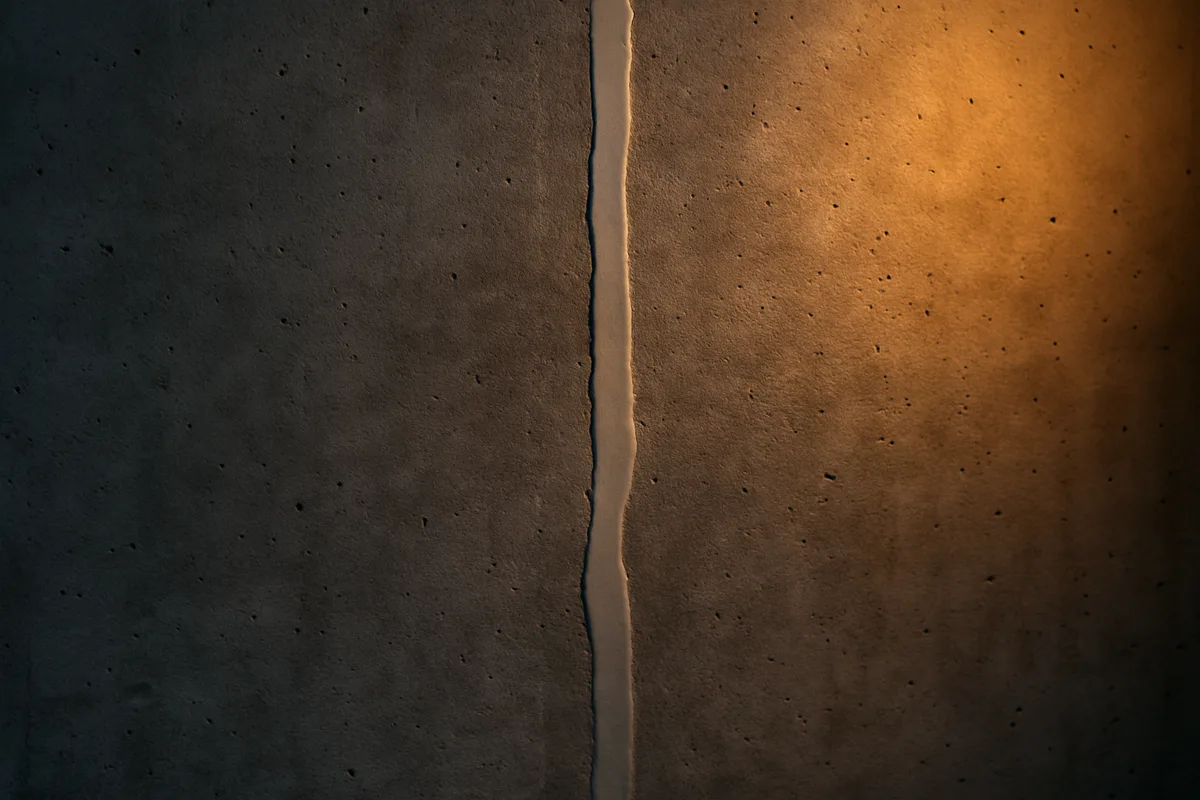
Foundation Crack Repair
Assessment and repair of vertical, diagonal and stair-step foundation cracks in poured and block walls.
Foundation Crack Repair Services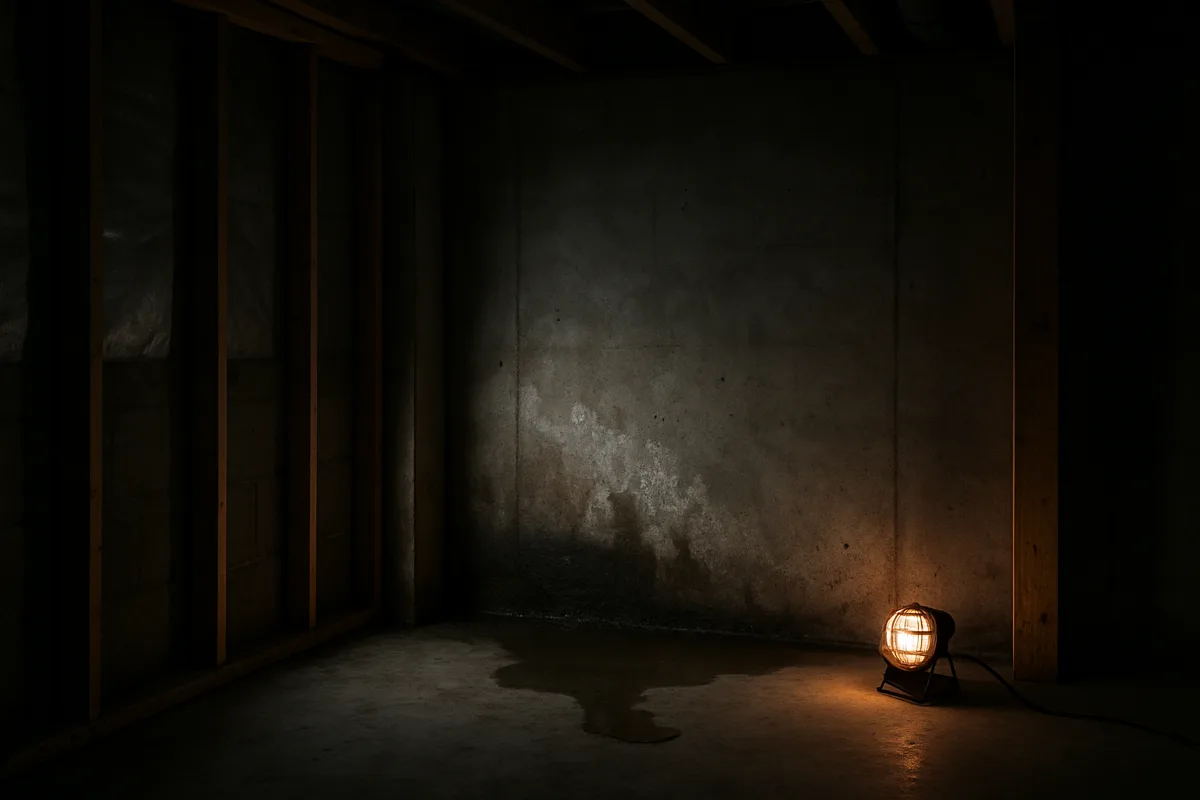
Wet Basement Repair
Find and fix the source of basement water, from leaking cracks to failed tie rods and pipe penetrations.
Wet Basement Repair Services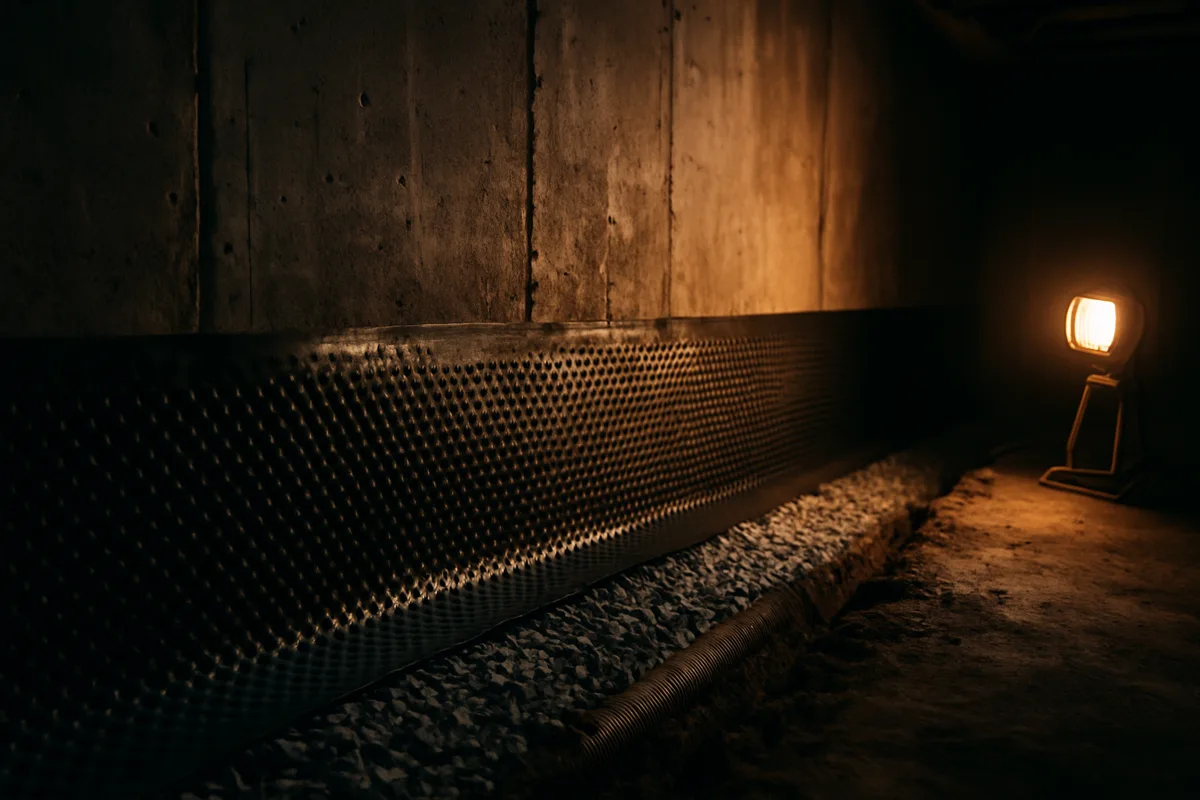
Basement Waterproofing
Interior waterproofing solutions that keep Niagara basements dry through spring thaw and heavy rain.
Basement Waterproofing ServicesHow It Works
Free Crack Inspection
We inspect the crack from inside the basement, check for signs of movement or structural concern, and confirm whether injection is the right repair before anything is booked.
Crack Preparation
The crack is cleaned along its full length, surface ports are set at regular intervals, and the face of the crack is sealed with epoxy paste so the injection material stays inside the wall.
Injection
Epoxy or polyurethane is injected port by port from the bottom up until the crack is filled through the full thickness of the wall, not just at the surface.
Verification & Warranty
We confirm the crack is filled end to end, remove the ports, and walk you through the finished repair. Your injection is backed by a written warranty against leaking.
Foundation Repair FAQ for Fort Erie
Why do Crystal Beach basements have water problems?
Crystal Beach sits on sandy beach deposits over lake clay right at Lake Erie's edge, so the water table is close to the surface and rises with the lake and with spring rain. Many homes there began as cottages with shallow foundations or crawl spaces. Water usually comes from below and around, which calls for drainage rather than crack sealing alone.
Does Lake Erie's water level affect my foundation?
If you are on the lakeshore or in a low-lying part of Crystal Beach, Ridgeway or Bridgeburg, yes. Lake Erie is shallow, its level moves with wind and season, and the groundwater in shoreline neighbourhoods moves with it. Sustained high water means sustained pressure on the wall and the slab.
What is the ridge in Ridgeway, and does it matter for basements?
Ridgeway takes its name from the limestone ridge of the Onondaga Escarpment that runs through the town. Homes on the ridge have shallower soil over rock and shed water downhill; homes at the base of it receive that water. Where you sit relative to the ridge changes which wall gets wet.
Are converted cottages in Fort Erie harder to repair?
Often. Seasonal cottages in Crystal Beach, Ridgeway and along the shore were built with minimal foundations, and year-round conversions sometimes added a basement or finished a crawl space without addressing drainage. We assess each one on its own terms and recommend the least invasive fix that will actually hold.
How much does crack injection cost in Fort Erie?
A single injected crack in a poured wall typically falls in the broad Ontario range of roughly $400 to $900 depending on length, wall thickness, access and whether it is leaking. We give a firm written price after a free inspection.
Do you cover Stevensville and the rural parts of Fort Erie?
Yes. We serve the whole town, including Stevensville, the rural concessions and the shoreline from Crystal Beach to the Niagara River. Rural properties on septic and well get the same assessment, with attention to how the lot drains.