Foundation Crack Repair in Niagara Falls
Foundation crack injection and wet basement repair for homeowners in Niagara Falls. Free assessments, fully insured.
Niagara Falls does not have deep soil. Across most of the city there is a layer of clay and then the Lockport dolostone, the same cap rock that forms the Escarpment and holds up the falls themselves. A basement dug into that ground sits in a shallow clay layer over rock that water cannot get through, so every thaw and every summer downpour fills the backfill trench beside the foundation and pushes on the wall until it finds a crack. That is the physics behind most of the wet basements we see from Stamford to Chippawa.
We repair those cracks and stop those leaks from inside, without excavation, across every part of the city: the postwar and 1970s subdivisions of Stamford and Drummond, the older streets off Lundy’s Lane and around downtown, the river-influenced ground of Chippawa, and the newer builds pushing south and west. Here is what each part of Niagara Falls tends to need.
Basement problems by neighbourhood
Stamford and Stamford Centre
Stamford was one of the original settlements absorbed into the city, and its residential streets were mostly built out between the 1960s and 1980s. That makes it poured-concrete country: bungalows, sidesplits and two-storeys with 8-inch poured walls, snap-tie holes on a grid, and the classic shrinkage crack running down from the corner of a basement window. These are the best possible candidates for crack injection. One or two cracks, one visit, warranty in hand.
Drummond Road and Drummond Hill
The Drummond corridor is a family neighbourhood of similar vintage, with older homes closer to Lundy’s Lane and newer ones farther out. Spring snowmelt and heavy rain are the triggers here, and the older Drummond Hill houses add the second problem: weeping tile still connected to the sanitary sewer, which brings sewer backup through the floor drain in the same storm that pushes water through the wall crack. We fix the crack and point you at the city’s weeping tile program for the rest.
Lundy’s Lane and the older core
The streets around Lundy’s Lane, the downtown blocks near Queen Street and the older residential grid between them have the city’s oldest housing: century homes on stone and brick, and 1920s to 1950s houses on block. Block cannot be injected. Water enters the hollow cores and comes out along the bottom course, and stone walls lose their mortar at grade. These are wet basement repair jobs that start with finding the real entry point and usually end in interior drainage and membrane rather than a sealant.
Chippawa and the Welland River
Chippawa is the city’s southern village, where the Welland River meets the Niagara. It has an old core of historic homes and later infill, and it has water on two sides. The water table here can sit near footing level for weeks in spring, so the common complaint is water at the wall-floor joint rather than a single crack. That calls for basement waterproofing with interior drainage and a reliable sump, and any wall cracks get injected as part of the same visit.
Fallsview, Clifton Hill and the tourist district edges
Residential streets tucked behind the tourist corridor are a mix of older housing, converted rentals and some newer builds close to the gorge. The river is nearby and the bedrock is close to the surface. Finished basement units over unaddressed cracks are common, and we work around tenants with the smallest drywall opening that gives access.
Newer subdivisions south and west
The developments spreading toward Garner Road, Kalar Road and the south end have modern poured walls, proper dampproofing and plastic weeping tile. They leak less, but shrinkage cracks still form as the concrete cures, and a new-build crack that starts leaking in its second or third spring is a routine call for us.
Our services in Niagara Falls
- Crack injection for the poured walls of Stamford, Drummond, and every subdivision built since the 1960s: cracks, tie rod holes and pipe penetrations sealed from inside.
- Foundation crack repair for reading whether a crack in an older Lundy’s Lane block wall is shrinkage, settlement or lateral pressure, and choosing the right fix.
- Wet basement repair for the recurring spring leak in a Drummond Hill bungalow that has never been traced to its source.
- Basement waterproofing for Chippawa and river-adjacent homes with groundwater at the cove, and for any basement about to be finished into a rental.
Foundations by era in Niagara Falls
- Pre-1920 (Chippawa village, downtown, old Stamford and Lundy’s Lane): stone and brick. Drainage and membrane, not injection.
- 1920s to 1950s (the older grid between downtown and Lundy’s Lane, Drummond Hill): mostly concrete block. Weeps through cores, cracks horizontally under clay pressure.
- 1960s to 1980s (Stamford, Drummond, much of the city’s residential footprint): poured concrete. Shrinkage cracks and snap-tie holes. Injection is the standard repair.
- 1990s to today (south and west subdivisions): modern poured walls. Fewer problems, but shrinkage cracks still form and still leak.
Weather and ground in Niagara Falls
Niagara Falls sits on the plateau above the Escarpment on clay over Lockport dolostone. Frost penetration here is around a metre in a typical winter, and the region’s winters swing across freezing repeatedly thanks to the two lakes, so water in the clay and in every crack freezes and thaws many times a season. The spring thaw is the peak: meltwater on frozen clay has nowhere to go but sideways into the backfill. Summer thunderstorms are the second peak, and the flat terrain across much of the city means water pools rather than runs.
The rivers matter locally. Chippawa and the Welland River corridor carry a high water table into spring. The rest of the city’s problem is bedrock and clay, not river level.
Things specific to Niagara Falls that affect foundations
- Shallow dolostone bedrock. Water cannot drain down, so it moves sideways into the backfill against the wall.
- Clay over rock. A thin, slow-draining clay layer that swells in spring and shrinks in August.
- The Welland River and Niagara River in Chippawa. Water table at footing level for stretches of the spring.
- Weeping tile on the sanitary sewer in a large share of pre-1970s homes, which is why the city runs its Weeping Tile Removal Assistance Program.
- Flat terrain across Stamford, Drummond and the south end, where poor grading pools water against the house rather than shedding it.
- A large rental stock of finished basement apartments, many built over cracks that were never repaired.
- Postwar and 1970s subdivisions with 8-inch poured walls and original snap-tie plugs that are now failing.
Areas we cover around Niagara Falls
We serve the whole city and the neighbouring communities: St. Catharines up the QEW to the northwest, Thorold to the west along the canal, Welland to the southwest, and Fort Erie down the Niagara Parkway and QEW to the south. Niagara-on-the-Lake and the rural areas between are on the schedule too; call and ask.
Book a free inspection in Niagara Falls
If there is a crack in your Stamford basement that has started to stain, a Drummond Hill floor drain that backs up in storms, or a Chippawa cove joint that seeps every April, get it read before the next thaw. The inspection is free, we cover every wall and the drainage, and you leave with a written price for the least invasive repair that will hold. Call (289) 271-5869 or book a free inspection online. Active leaks go to the front of the schedule.
Our Foundation Repair Services in Niagara Falls
We repair leaking foundation cracks and wet basements for homes and businesses in Niagara Falls and surrounding areas.
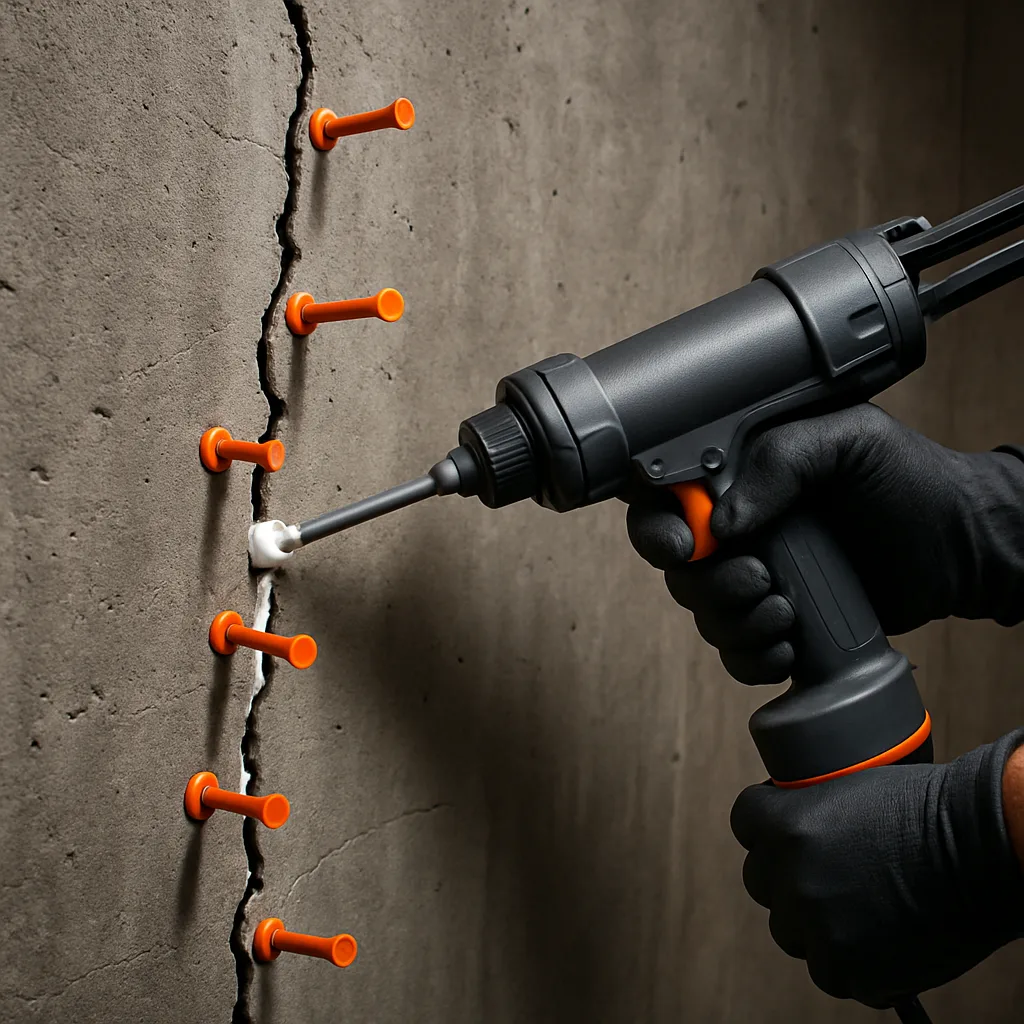
Crack Injection
Epoxy and polyurethane injection that seals foundation cracks from the inside, permanently.
Crack Injection Services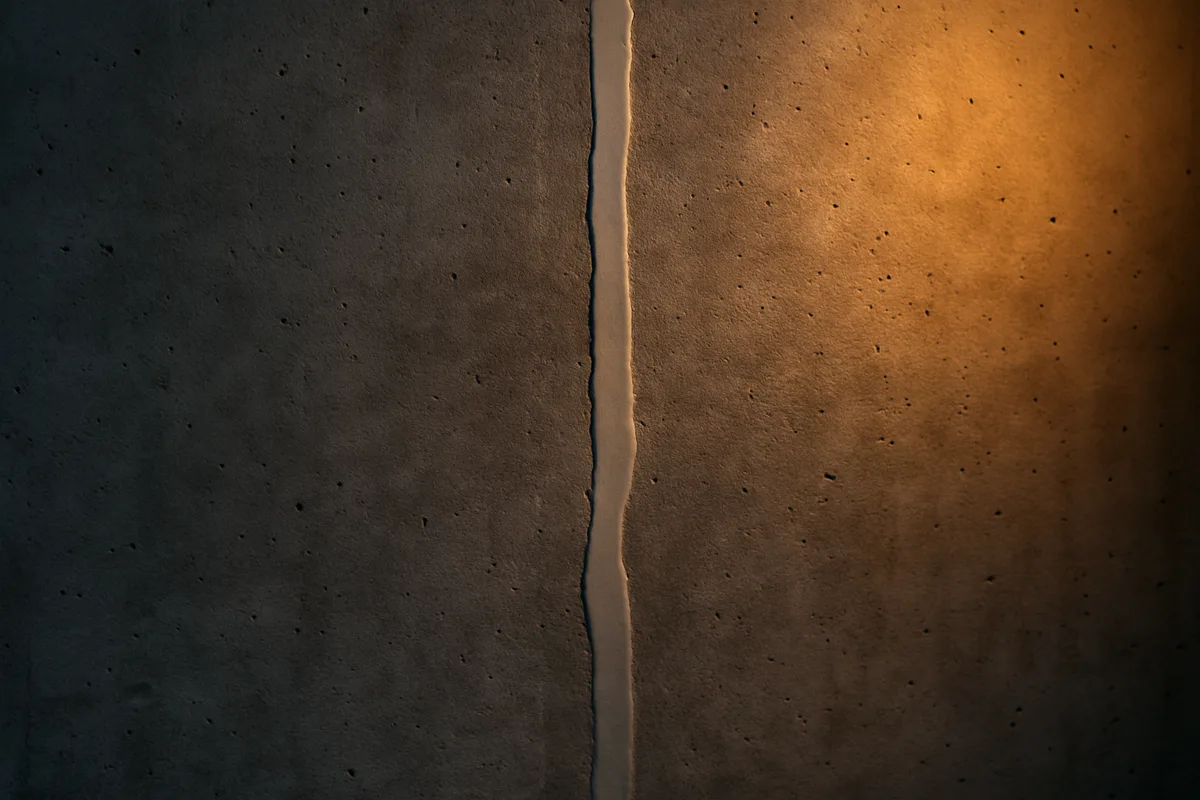
Foundation Crack Repair
Assessment and repair of vertical, diagonal and stair-step foundation cracks in poured and block walls.
Foundation Crack Repair Services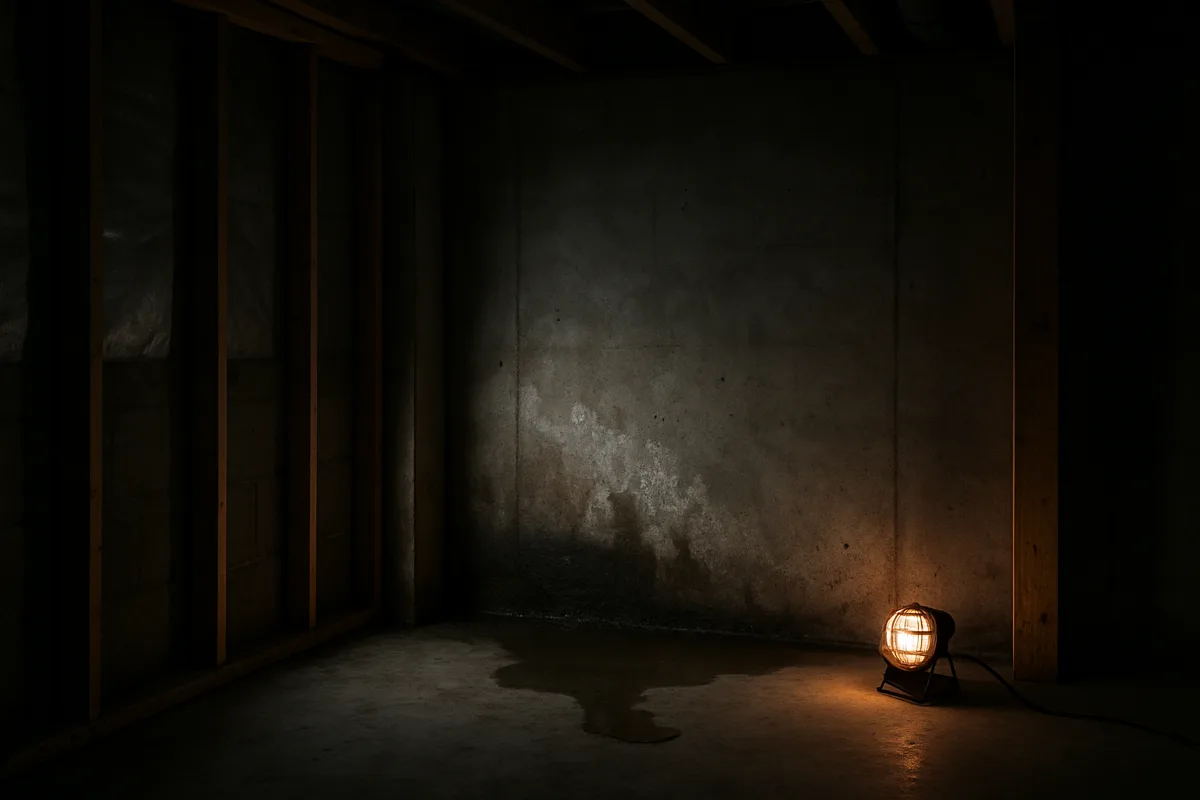
Wet Basement Repair
Find and fix the source of basement water, from leaking cracks to failed tie rods and pipe penetrations.
Wet Basement Repair Services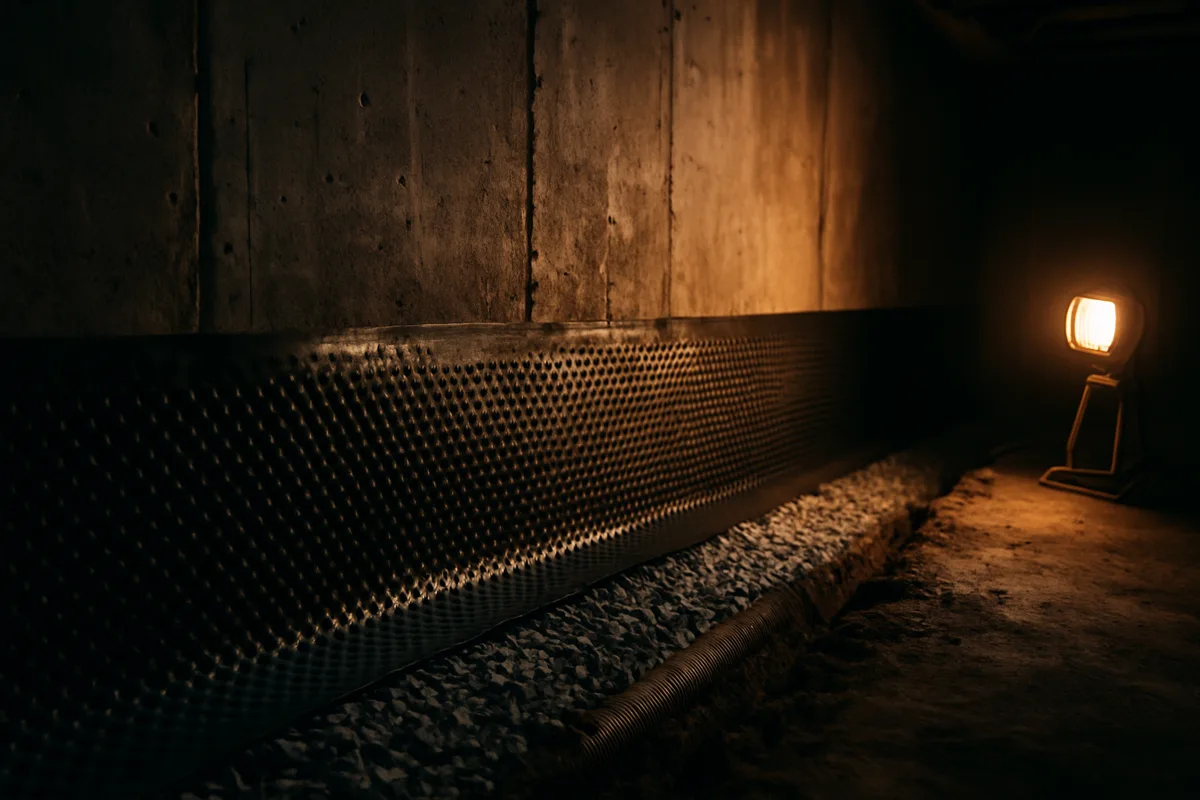
Basement Waterproofing
Interior waterproofing solutions that keep Niagara basements dry through spring thaw and heavy rain.
Basement Waterproofing ServicesHow It Works
Free Crack Inspection
We inspect the crack from inside the basement, check for signs of movement or structural concern, and confirm whether injection is the right repair before anything is booked.
Crack Preparation
The crack is cleaned along its full length, surface ports are set at regular intervals, and the face of the crack is sealed with epoxy paste so the injection material stays inside the wall.
Injection
Epoxy or polyurethane is injected port by port from the bottom up until the crack is filled through the full thickness of the wall, not just at the surface.
Verification & Warranty
We confirm the crack is filled end to end, remove the ports, and walk you through the finished repair. Your injection is backed by a written warranty against leaking.
Foundation Repair FAQ for Niagara Falls
Why do Niagara Falls basements flood in spring?
The city sits on clay over shallow dolostone bedrock, so water that cannot drain down moves sideways into the backfill beside foundations. Add a March thaw on frozen ground and the pressure on every crack peaks at once. Older homes with weeping tile still tied to the sanitary sewer also get backup during the same storms.
Does the Niagara River or Welland River affect my foundation?
If you are in Chippawa or near the Welland River, yes. The water table there can sit near the footing for weeks in spring, so leaks tend to show at the wall-floor joint and need drainage as well as crack sealing. Elsewhere in the city the main factor is clay and bedrock, not the rivers.
What does the Weeping Tile Removal Assistance Program cover?
The City of Niagara Falls offers financial help to eligible homeowners who disconnect their weeping tile from the sanitary sewer and install a sump pump, and for adding a backwater valve. Eligibility and amounts are set by the city and change over time, so check the current program terms with the city before planning the work.
What foundation type do Stamford and Drummond homes have?
Most of Stamford and the Drummond Road area was built from the 1960s through the 1980s, so poured concrete is the norm and shrinkage cracks at window corners are the typical leak. Older streets closer to downtown and Lundy's Lane have more block and some stone. We confirm the wall type at the first visit.
How much does crack injection cost in Niagara Falls?
A single injected crack in a poured wall typically falls in the same broad Ontario range of roughly $400 to $900 depending on length, wall thickness, access and whether it is actively leaking. We give a firm written price after a free on-site inspection.
Can you repair a crack in a finished basement rental?
Yes. We cut the smallest drywall opening that gives access to the crack, inject it, and leave a clean opening for patching. Many Niagara Falls basements are finished apartments, and we schedule around tenants.